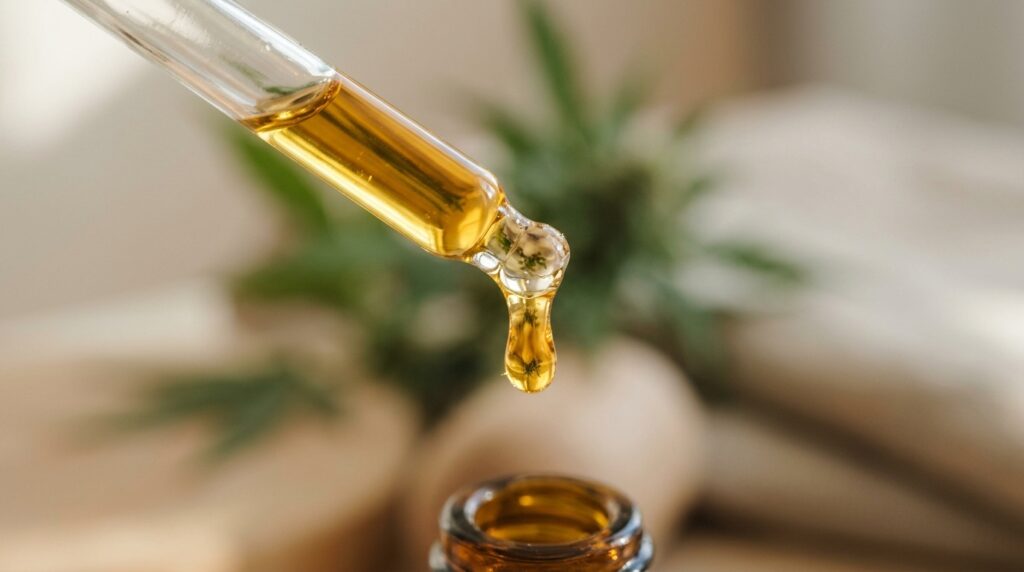
Finding a product online involves more than choosing a familiar brand or clicking on a highly rated listing. Product quality depends on details that may not be obvious from photographs, including ingredient transparency, accurate cannabinoid measurements, manufacturing information, and independent testing. CBD Oil shoppers can improve their research process by checking these details systematically before deciding which options deserve consideration. A careful review helps reduce uncertainty and supports more informed purchasing decisions.
Begin With a Reliable Product Search
Online stores can display many products within seconds, but the first results are not necessarily the best documented. Search placement, advertising, and popularity do not independently establish quality.
Start by identifying the type of product being considered. CBD products marketed for adults should be evaluated separately from products intended for animals. Their formulations, ingredients, concentrations, and instructions may differ.
CBD, or cannabidiol, is a naturally occurring compound found in cannabis plants. Many CBD oils combine a hemp-derived extract with a carrier oil. Depending on how the extract is produced, the finished formula may contain CBD alone or several hemp-derived compounds.
Before comparing listings, decide which information is essential. A useful product page should identify the CBD amount, bottle volume, full ingredients, extract type, intended audience, and relevant warnings. It should also provide enough information to investigate the product’s composition and the manufacturer’s claims.
Use a consistent screening checklist
Review each listing against the same requirements:
- The total CBD content is stated clearly.
- The bottle volume is disclosed.
- The complete ingredient list is available.
- The extract type is identified.
- Safety instructions and storage information are provided.
- The seller offers a way to ask product-specific questions.
- Relevant independent testing can be reviewed when available.
A listing that fails to provide basic details should not be treated as equivalent to one with transparent documentation. Mark missing information clearly and request clarification before making a purchase.
Check the Source and Consistency of Product Information
A product page should provide information that can be compared with the bottle label and any available laboratory report. These sources should refer to the same formula.
For example, the listing might advertise a particular amount of CBD, while the label shows a different total or a different bottle size. This could reflect an outdated page, a product variation, or a genuine inconsistency. Rather than guessing which figure is correct, ask the seller to clarify.
Batch identification is also useful. If the manufacturer provides batch or lot numbers, check whether the laboratory report corresponds to the batch being sold. An unrelated report may not accurately represent the current product.
Look for a clearly identified business and accessible contact information. A seller should be able to explain basic product details without relying on broad promotional claims.
Be cautious if a listing uses impressive quality language but does not provide the information needed to evaluate it. Terms such as premium, natural, or advanced are not substitutes for a complete ingredient list or relevant test results.
Review the Extract Type and Cannabinoid Content
The extract type can help explain why two products contain different combinations of hemp compounds. The most common descriptions include full-spectrum, broad-spectrum, and CBD isolate.
Full-spectrum extracts generally contain CBD and other naturally occurring hemp compounds. Depending on the formulation, they may include trace amounts of THC. Broad-spectrum extracts usually retain CBD and selected additional compounds while removing or reducing THC. CBD isolate contains cannabidiol separated from most other hemp compounds.
These categories describe the general composition of an extract, not an overall quality score. A product with more hemp compounds is not automatically more effective, and a simpler formula is not automatically the best option for every user.
THC information is particularly important when evaluating a product intended for an animal. THC can be harmful to pets, and human products may contain ingredients that are unsuitable for dogs or cats. Never assume that a formula is safe for an animal simply because it is derived from hemp.
Review the label and available laboratory results to understand the actual cannabinoid profile. If important details remain unclear, seek advice from a qualified professional before using the product.
Interpret Concentration Without Confusion
CBD products may advertise their total cannabidiol content in milligrams. That measurement describes the amount in the entire bottle, not necessarily the concentration of the liquid.
Concentration can be calculated by dividing the total CBD amount by the bottle volume. For example, 300 mg of CBD in 30 mL of oil gives a nominal concentration of 10 mg/mL. A 600 mg bottle containing 60 mL also has a nominal concentration of 10 mg/mL.
A 600 mg bottle containing 30 mL has a nominal concentration of 20 mg/mL. Although this is a more concentrated formula, it does not automatically make it better or more suitable.
| Product example | CBD in bottle | Volume | Nominal concentration |
|---|---|---|---|
| Option A | 300 mg | 30 mL | 10 mg/mL |
| Option B | 600 mg | 60 mL | 10 mg/mL |
| Option C | 600 mg | 30 mL | 20 mg/mL |
This comparison helps explain labels, but it does not establish a recommended serving. Follow the product’s appropriate instructions and qualified professional guidance. For animals, a veterinarian must determine whether CBD is appropriate and assess the specific formulation and the pet’s circumstances.
Do not assume that dropper markings indicate milligrams. A marking may refer to liquid volume, and the amount of CBD depends on the product’s concentration.
Examine Independent Laboratory Reports
A certificate of analysis, commonly called a COA, records the results of laboratory testing on a sample. It can help shoppers assess cannabinoid content and, when included in the test panel, certain contaminants.
First, confirm that the report identifies the relevant product. Check the product name, batch number, testing date, and laboratory identity. If the report does not match the current product, request a report that does.
Next, check which tests were performed. A report may show CBD and THC measurements. Other testing panels may assess selected heavy metals, pesticide residues, residual solvents, or microbial contaminants.
The scope of the report matters. A COA that verifies cannabinoid levels does not necessarily show that every possible contaminant has been assessed. Read the actual test categories and results instead of assuming that all laboratory reports cover the same areas.
Also distinguish laboratory findings from claims about effectiveness. A report may support the stated composition of a tested sample, but it cannot establish that CBD treats a specific condition or will produce a particular result.
If a result is difficult to understand, ask the seller for clarification or seek help interpreting the document. Avoid treating a testing badge as a complete substitute for reviewing the report.
Evaluate Quality Claims and Customer Feedback
Customer reviews can provide useful information about the purchasing experience. Shoppers may comment on delivery, packaging, customer service, or how clearly the instructions are written.
However, reviews are not reliable proof of medical effectiveness. A person describing a positive experience does not establish that another person will experience the same outcome. The same principle applies to testimonials involving animals.
Evaluate the manufacturer’s claims separately from customer opinions. A statement about bottle size can be checked directly. A claim that a product cures a disease requires much stronger evidence and should not be accepted simply because it appears in an advertisement.
Watch for warning signs such as guaranteed results, sweeping promises, claims that professional treatment is unnecessary, or vague descriptions that hide the actual ingredients. Responsible product information should acknowledge limitations and explain safety considerations.
A useful product description helps shoppers understand what is known, what remains uncertain, and where additional information can be obtained.
Compare the Total Cost and Shopping Conditions
A lower price does not automatically mean better value. Consider the amount of CBD, bottle volume, concentration, available testing, ingredient transparency, and shipping costs together.
For example, two bottles may have similar prices but different volumes. Another may contain more total CBD but provide less information about its ingredients. Comparing the price per bottle alone will not reveal these differences.
Cost per milligram can help with arithmetic comparisons, but it should not override product quality or safety considerations. A low-cost item with unclear labeling may be a poor choice when important questions remain unanswered.
Review the seller’s shipping and return policies before checkout. Check whether extra charges apply and whether the final order reflects the correct product variation, bottle size, and quantity.
Avoid rushing because a page displays a limited-time discount or countdown. A purchase should follow a satisfactory review of the product rather than pressure to order immediately.
Consider Health and Safety Before Buying
An online product can be well documented and still be unsuitable for a particular person or animal. CBD may cause adverse effects and interact with certain medications.
People taking prescription medication, managing a medical condition, or who are pregnant or breastfeeding should consult a qualified healthcare professional before using CBD. Do not stop prescribed treatment or substitute a CBD product for medical care without professional guidance.
Pet owners should consult a veterinarian before giving CBD to an animal. A veterinarian can review the pet’s health history, current medication, and the proposed product. Evidence for many advertised uses in animals remains limited, and a supplement should not delay assessment of new or worsening symptoms.
If a person or pet develops a concerning reaction, seek appropriate medical or veterinary advice. Severe symptoms require urgent attention. If a pet may have consumed THC or an unknown amount of CBD oil, contact a veterinarian or animal poison service promptly.
Keep the product packaging available if accidental exposure occurs. The label and ingredient list can help a professional identify what the animal may have consumed.
Verify the Delivery Before Using the Product
The final quality check happens when the order arrives. Compare the delivered item with the original listing and inspect the packaging for obvious damage.
Confirm the product name, concentration, ingredients, and batch information. Check that the seal is intact and that the bottle matches the variation ordered. If the label differs from the listing or the package appears compromised, contact the seller before using the product.
Retain the receipt and packaging. Store the product according to the label and keep it securely away from children and animals. If you purchase the same product again later, review the new label and available testing instead of assuming the formula has remained unchanged.
Final Thoughts
Finding quality CBD options online requires a careful review of ingredients, concentration, laboratory documentation, seller transparency, and total cost. Search rankings and customer reviews may provide context, but they cannot replace verifiable product information. Compare the details patiently and seek qualified advice before using CBD for a health concern or giving it to an animal.